
The 2026 Reality: Why LCD Smartphones Still Have a Loyal Following
In 2026, organic light-emitting diode (OLED) displays dominate the premium and mid-range smartphone landscapes. However, a dedicated and rapidly expanding group of users—including digital readers, night-shift professionals, and individuals sensitive to Pulse Width Modulation (PWM)—actively bypass flagship OLED devices in search of high-quality IPS LCD smartphones. If your eyes suffer from dryness, tension headaches, or visual fatigue after short screen sessions, a true DC-dimming LCD phone remains the gold standard for visual comfort.
Modern mobile LCDs provide distinct physiological and optical advantages that even the latest high-frequency PWM OLED screens cannot completely replicate. Below, we break down why eye-strain-prone users continue to prioritize LCD panels, followed by an updated 2026 spec comparison of the finest models currently on the market.
Why PWM-Sensitive Users Actively Seek Out DC-Dimming IPS LCDs
- True Hardware DC Dimming (Zero Stroboscopic Flicker): While OLED displays control brightness by cycling pixels on and off hundreds of times per second (PWM), quality IPS LCDs regulate brightness by simply reducing the continuous direct current (DC) supplied to the LED backlight. This delivers a completely flat, flicker-free luminance curve across all brightness levels without subliminal pupil stress.
- Zero Burn-In & Image Retention Anxiety: Inorganic liquid crystal displays do not suffer from the irreversible photochemical decay that affects organic OLED subpixels. You can run navigation apps, GPS maps, or social media feeds with static UI icons for hundreds of consecutive hours without permanent ghosting. If you ever suspect residual ghosting on an existing screen, you can run our free Interactive Screen Burn-in & Uniformity Test to inspect pixel integrity.
- Standard RGB Stripe Subpixel Structure: Unlike the Diamond Pentile or subpixel-sharing arrangements common in OLEDs—which introduce subtle color fringing on black-and-white text—LCD panels utilize a full RGB stripe matrix. Every pixel contains dedicated red, green, and blue subpixels, resulting in crisper text rendering and cleaner line clarity for prolonged reading.
- Diffuse Reflection & Paper-Like Eye Comfort: Specialized LCD implementations, such as TCL's NXTPAPER technology, incorporate nano-etched matte anti-glare surfaces and hardware-level blue light wavelength filtering. These features dramatically minimize specular reflections and alleviate ocular strain during extended indoor or nighttime reading.
2026 Best Eye-Friendly LCD Smartphones: Spec Comparison
Here is an up-to-date comparison of the standout LCD smartphones available in 2026, evaluated specifically for eye comfort, display engineering, and daily performance:
| Phone Model | Display Size & Type | Resolution & Refresh Rate | Dimming & Eye Protection | Processor | RAM & Storage | Battery & Charging |
|---|---|---|---|---|---|---|
| Motorola Moto G Power 5G (2025/2026) | 6.8" IPS LCD | 2388 x 1080 (FHD+) 120Hz | Full-range DC Dimming, TÜV Low Blue Light | MediaTek Dimensity 7025 / 6300 | 8GB RAM 128GB / 256GB | 5000mAh, 30W TurboPower, 15W Wireless |
| TCL 60 XE NXTPAPER 5G | 6.78" Anti-Glare Matte IPS LCD | 1080 x 2460 (FHD+) 120Hz | NXTPAPER 3.0 Hardware Blue Filter, Zero-Reflection Matte Finish | MediaTek Dimensity 6300 | 8GB RAM 256GB Storage | 5010mAh, 33W Fast Charge |
| Vivo Y300t / Y200t | 6.72" IPS LCD | 1080 x 2408 (FHD+) 120Hz | Hardware Global DC Dimming, Sunlight Display Mode | MediaTek Dimensity 7300 | 8GB / 12GB RAM 128GB - 512GB | 6500mAh Ultra-large, 44W FlashCharge |
| Vivo Z10x / iQOO Z9x | 6.72" IPS LCD | 1080 x 2408 (FHD+) 120Hz | Full DC Dimming, TÜV Rheinland Flicker-Free | Snapdragon 6 Gen 1 / Dimensity 7300 | 6GB / 8GB / 12GB 128GB / 256GB | 6000mAh, 44W FlashCharge |
| Honor X9b / Honor 90 Smart LCD | 6.8" TFT LCD | 1080 x 2412 (FHD+) 120Hz | Dynamic Dimming, Circadian Night Display Mode | Qualcomm Snapdragon 6 Gen 1 | 8GB RAM 128GB / 256GB | 5330mAh, 35W SuperCharge |
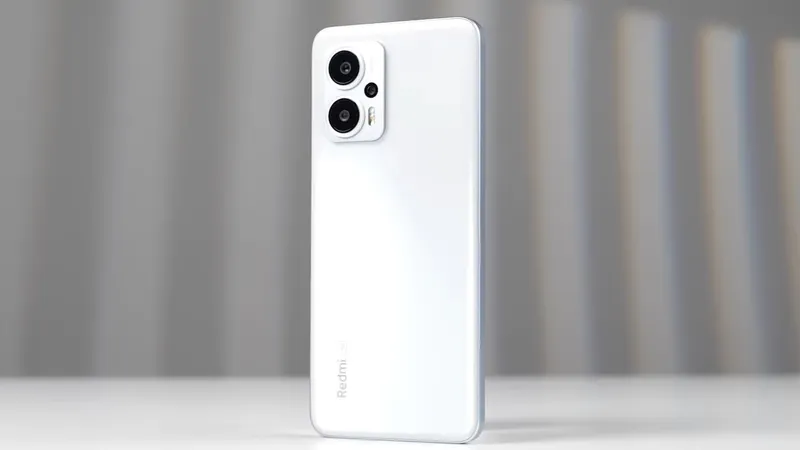
| Poco M6 Pro 5G / Redmi 13R | 6.79" IPS LCD | 1080 x 2460 (FHD+) 90Hz / 120Hz | DC Dimming, SGS Low Blue Light Certification | Snapdragon 4 Gen 2 | 6GB / 8GB RAM 128GB / 256GB | 5030mAh, 33W Fast Charge |
| iQOO Z8 / Redmi Note 12T Pro (High-Performance LCD Classics) | 6.64" / 6.6" IPS LCD | 2388 x 1080 / 2460 x 1080 120Hz / 144Hz (7-speed VRR) | Hardware DC Dimming, Ambient Color Temperature Sensing | MediaTek Dimensity 8200 (Flagship-tier) | 8GB / 12GB RAM 256GB / 512GB | 5000mAh, 67W / 120W FlashCharge |
How to Choose the Right Eye-Friendly Phone in 2026
When selecting an LCD smartphone to minimize visual fatigue, keep the following considerations in mind:
- Verify DC Dimming: Some budget LCDs employ PWM at very low brightness levels. To verify your device, record the screen with another phone's slow-motion camera (240fps or 960fps) under low brightness. A solid image without rolling black bands confirms genuine DC dimming.
- Look for Recognized Eye Care Certifications: Opt for phones validated by independent testing authorities. For an in-depth breakdown of what these standards mean, read our guide on Display Certification Standards Explained (TÜV Rheinland, Eyesafe, and VESA).
- Check for Temporal Dithering (FRC): Some panels utilize 6-bit + FRC or aggressive subpixel dithering to simulate 8-bit or 10-bit color, which can create subtle visual agitation. If possible, test the handset in person or check user reviews from PWM-sensitive communities before purchasing.
Conclusion & Display Maintenance
While smartphone marketing continues to champion eye-watering peak nits and bendable form factors, everyday visual wellness remains paramount. DC-dimming IPS LCD smartphones like the Moto G Power, Vivo Y/Z series, and TCL NXTPAPER demonstrate that eye-friendly technology and reliable modern performance can comfortably coexist in 2026.
If you are currently evaluating your screen or suspect color degradation, image persistence, or dead pixels on your existing phone, launch our browser-based Screen Diagnostics & Burn-in Fixer Tool to run a full diagnostic sequence directly on your device.